The Core Production Line
A commercial bullet casting operation has two primary stages: casting and sizing. Everything else supports these two steps.
Automatic Bullet Casting Machine
The heart of a commercial operation. An automatic casting machine feeds molten lead into molds at a controlled rate, drops the cast bullets, and repeats — without an operator manually working mold handles. The ACE M2R runs up to 6 Ballisti-Cast style molds simultaneously, producing up to 5,000 bullets per hour. The Speed Caster 42 is a strong mid-range option. For serious volume, you run multiple machines.
Casting Furnace
Your furnace melts and holds lead at casting temperature (typically 650–750°F). Commercial operations use bottom-pour furnaces with precise temperature control. The ACE casting furnace is designed for integration with automatic casting machines and maintains consistent pour temperature over long production runs — critical for consistent bullet weight.
Automatic Bullet Sizer
Cast bullets come out of the mold slightly oversized and need to be sized to exact diameter and lubricated. The ACE Vortex Automated Bullet Sizer handles up to 6,000 bullets per hour with a collator. One person can tend both the casting machine and the sizer simultaneously — that's your complete production line.
See the Full ACE Equipment Lineup
M2R, Speed Caster 42, Vortex Sizer, casting furnaces, and more.
Supporting Equipment
Molds — caliber- and weight-specific. Plan $200–$600 each. Start with strong commercial movers: 9mm, .45 ACP, .38/.357, and .308 caliber.
Lead supply — certified pure lead wire from ACE gives you consistent alloy without the uncertainty of scrap. Available in 12 diameters, ships USPS flat rate with price including shipping.
Hardness tester — verify your alloy BHN before each production run. Different applications require different hardness; your customers will notice if it varies.
Ventilation — non-negotiable. Lead fumes require a dedicated exhaust system over your casting station. Budget $500–$2,000 depending on shop configuration.
Space and Infrastructure
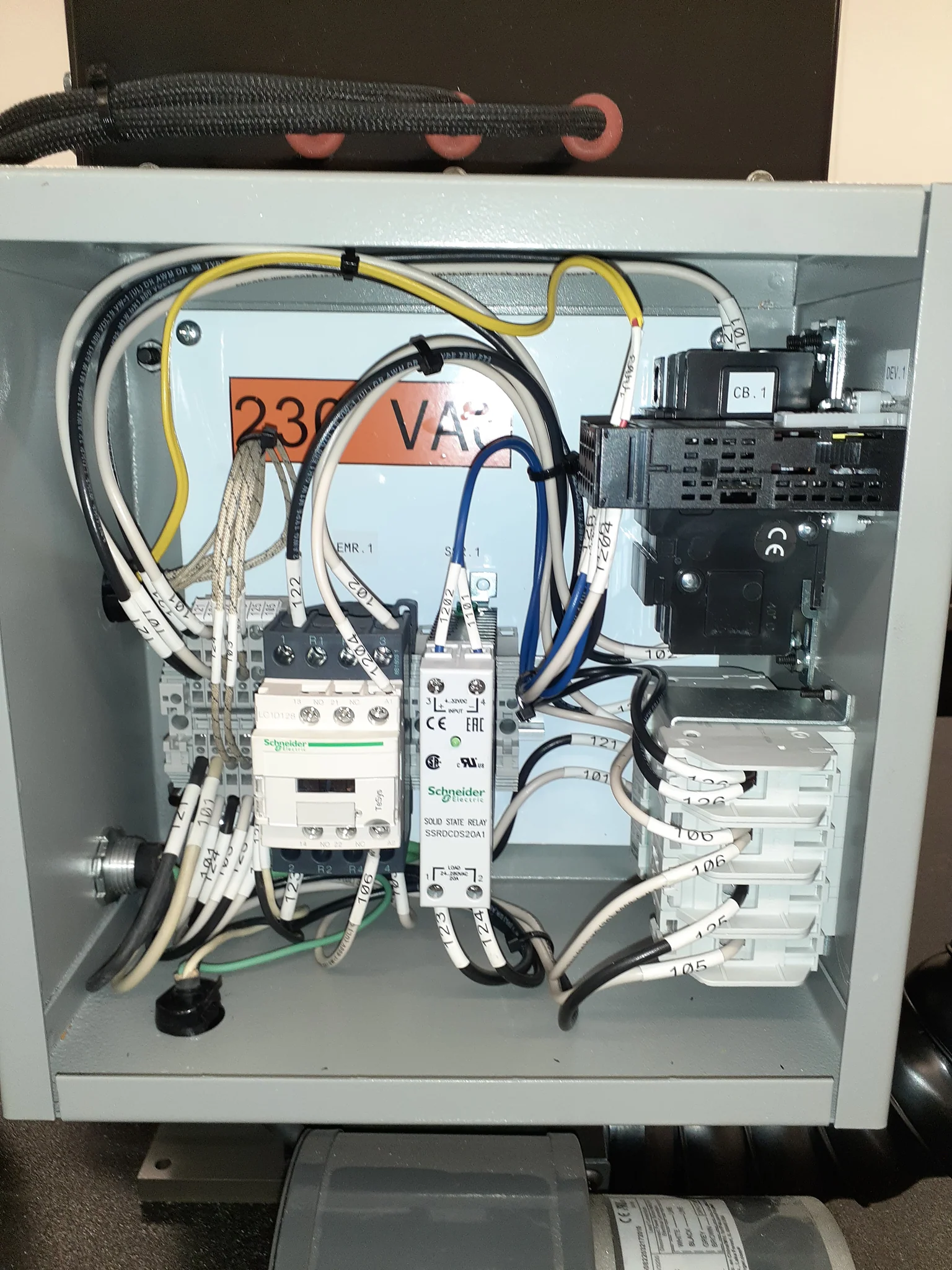
A single M2R plus sizer can operate in 400–600 square feet. You'll need 220V electrical (standard dryer outlet amperage), a concrete floor, ventilation exhaust, lead storage, and a packaging/shipping area. Many successful operations run out of a dedicated shop building or large garage.
Equipment Budget Summary
- ACE M2R Automatic Casting Machine: ~$16,000
- ACE Vortex Automated Bullet Sizer: ~$5,500
- ACE Casting Furnace: ~$1,200
- Molds (6, starting set): $1,200–$3,600
- Ventilation system: $800–$2,000
- Initial lead supply: $1,000–$3,000
- Miscellaneous: $500–$1,000
Total: approximately $26,000–$32,000 for a complete production-capable setup.
Want to see it in person? Nick offers equipment demonstrations at ACE facilities in Marthasville, Missouri and East Grand Forks, Minnesota by appointment. Call 636-221-5950.